Facts About Turtles
Turtles are some of the oldest animals on Earth. They first appeared more than 200 million years ago — before the dinosaurs — and they’re still here today, carrying their home on their back wherever they go. From tiny bog turtles you could hold in one hand to ocean giants heavier than a grand piano, they’re far stranger and more varied than most people expect.
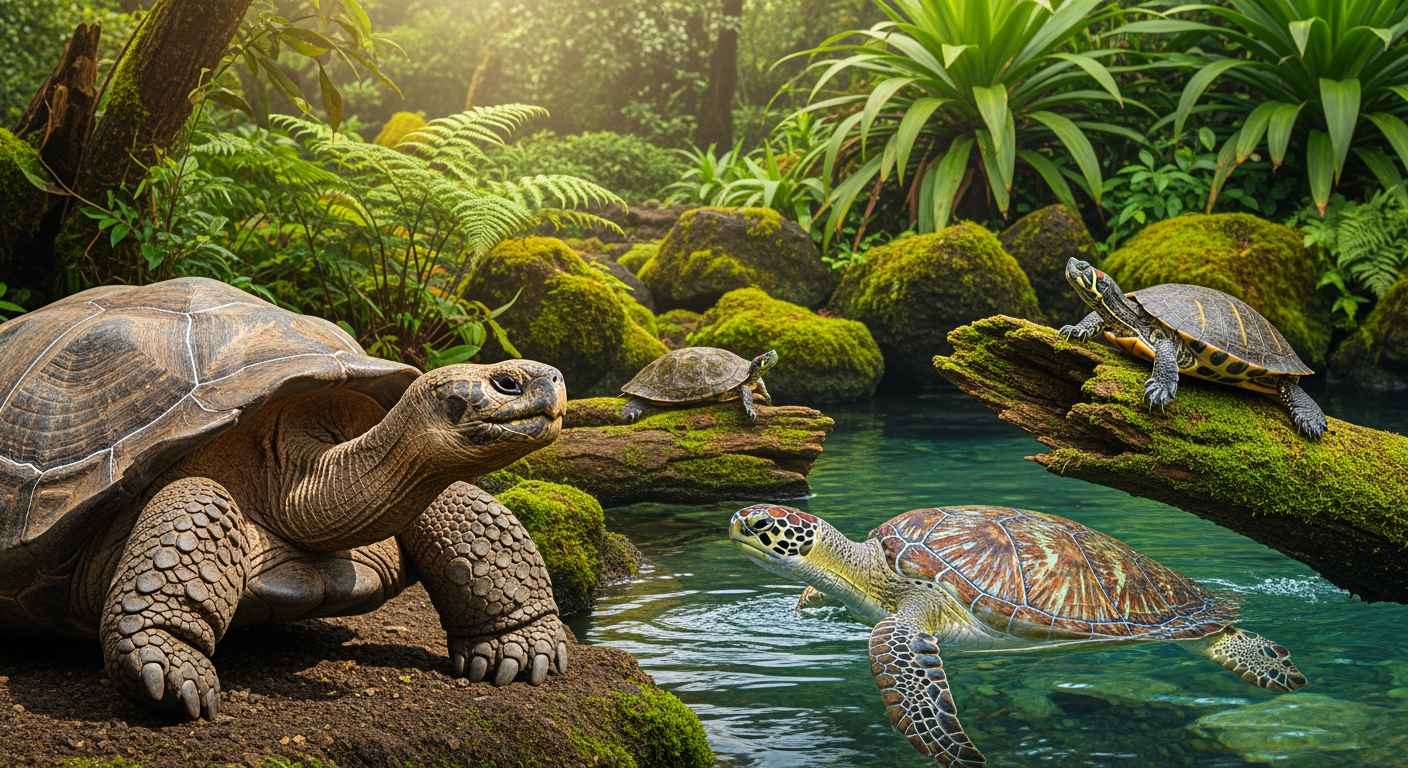
There are more than 350 living species, found on every continent except Antarctica and across nearly every ocean. They fall into three groups people often mix up: land-dwelling tortoises, small freshwater terrapins, and the sea turtles — seven species that roam the open ocean. The largest of all, the leatherback, can grow past two metres and weigh more than 900 kilograms, while the smallest fit neatly in the palm of your hand.
Part of what makes turtles so remarkable is their body. A turtle’s shell isn’t a house it can crawl out of — it’s part of the skeleton, with the ribs and backbone fused into more than fifty bones. They have no teeth either, just a sharp beak for slicing and crushing their food. A few freshwater turtles can even absorb oxygen through their tail end, which lets them stay underwater through an entire winter, and sea turtles « cry » salty tears to flush out the extra salt they swallow at sea.
The record book is full of surprises. Sea turtles navigate thousands of miles of open ocean and return to the very beach where they hatched to lay their own eggs — and the temperature of the sand, not genetics, decides whether those hatchlings are male or female. Some turtles can pull their head and legs fully inside the shell while others can’t retract at all, and a turtle’s heart has just three chambers, not four like ours. New details still turn up as biologists study them more closely.
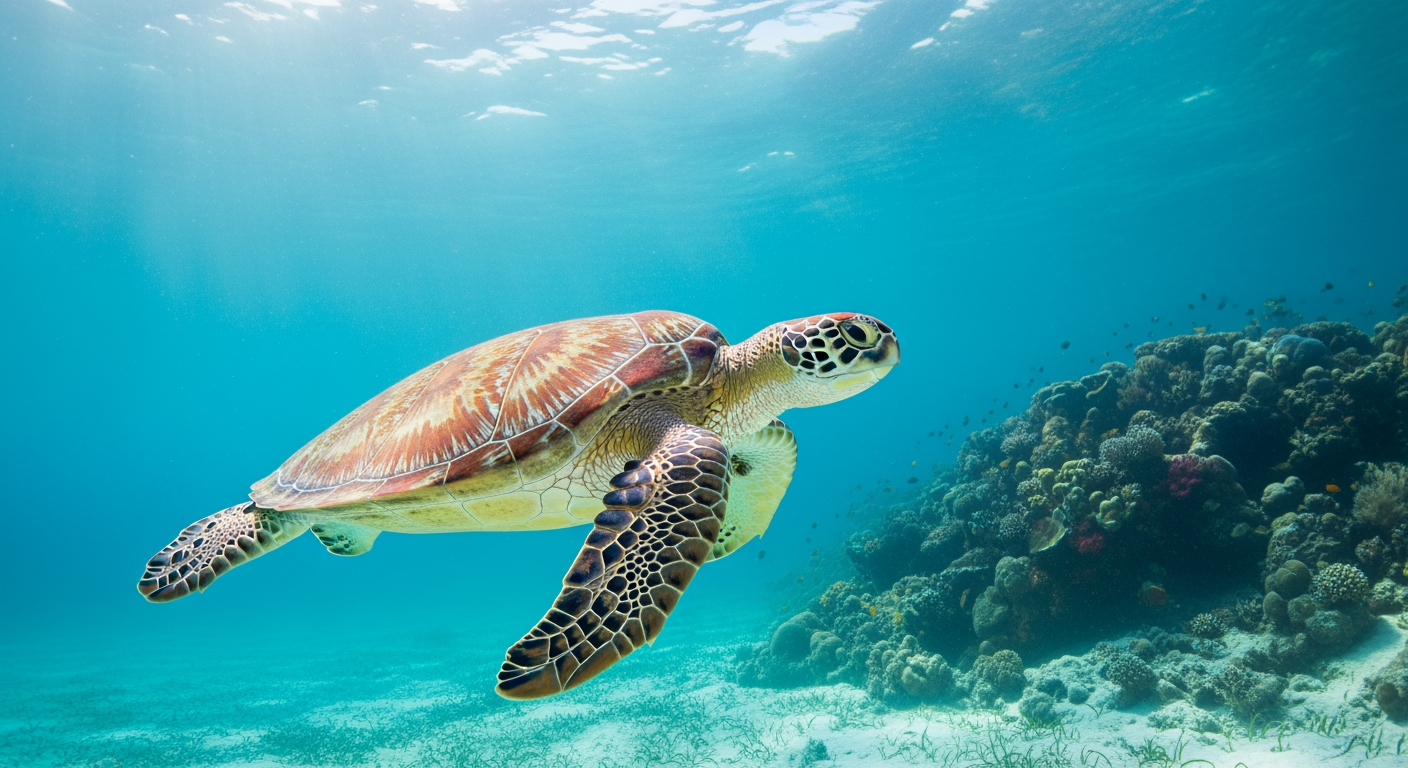
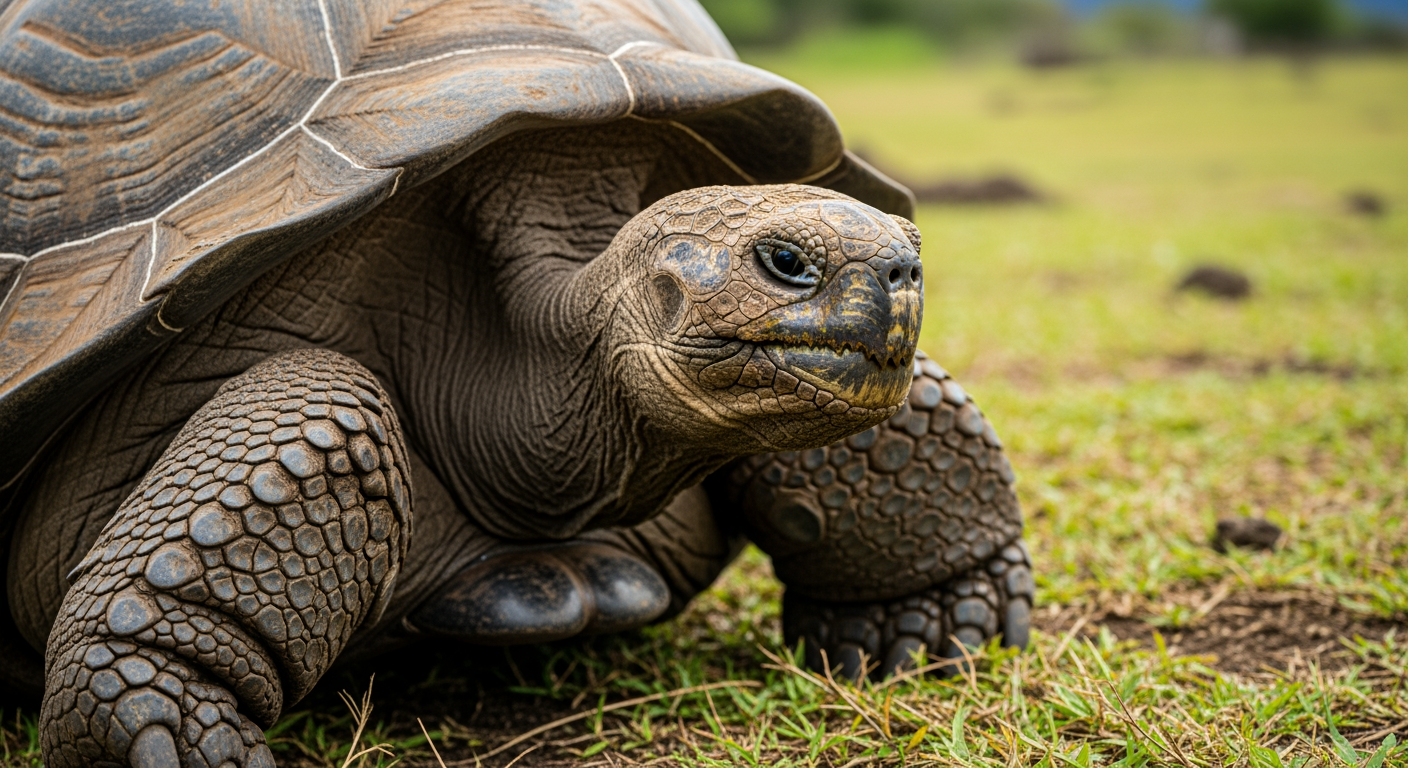
They’re also famously long-lived. Many pet and pond turtles reach 20 to 40 years, sea turtles can pass fifty, and giant tortoises routinely live more than a century — the oldest alive today, a tortoise named Jonathan, is over 190. Their slow, unhurried pace seems to be part of the secret.
The Turtle-Gifts blog is where we dig into the questions people actually ask about them. Is a turtle a reptile or an amphibian? Do turtles really have no teeth? What eats a turtle — and what does a sea turtle symbolize? Each guide gathers what biologists currently know and separates solid fact from myth. The wider site covers the turtle plush and gifts these gentle animals inspire, from cuddly companions to keepsakes. Browse our latest guides below, with plenty more on the way.
Latest turtle articles
In-depth guides, added regularly. New ones appear here as we publish them.
 Gift guide
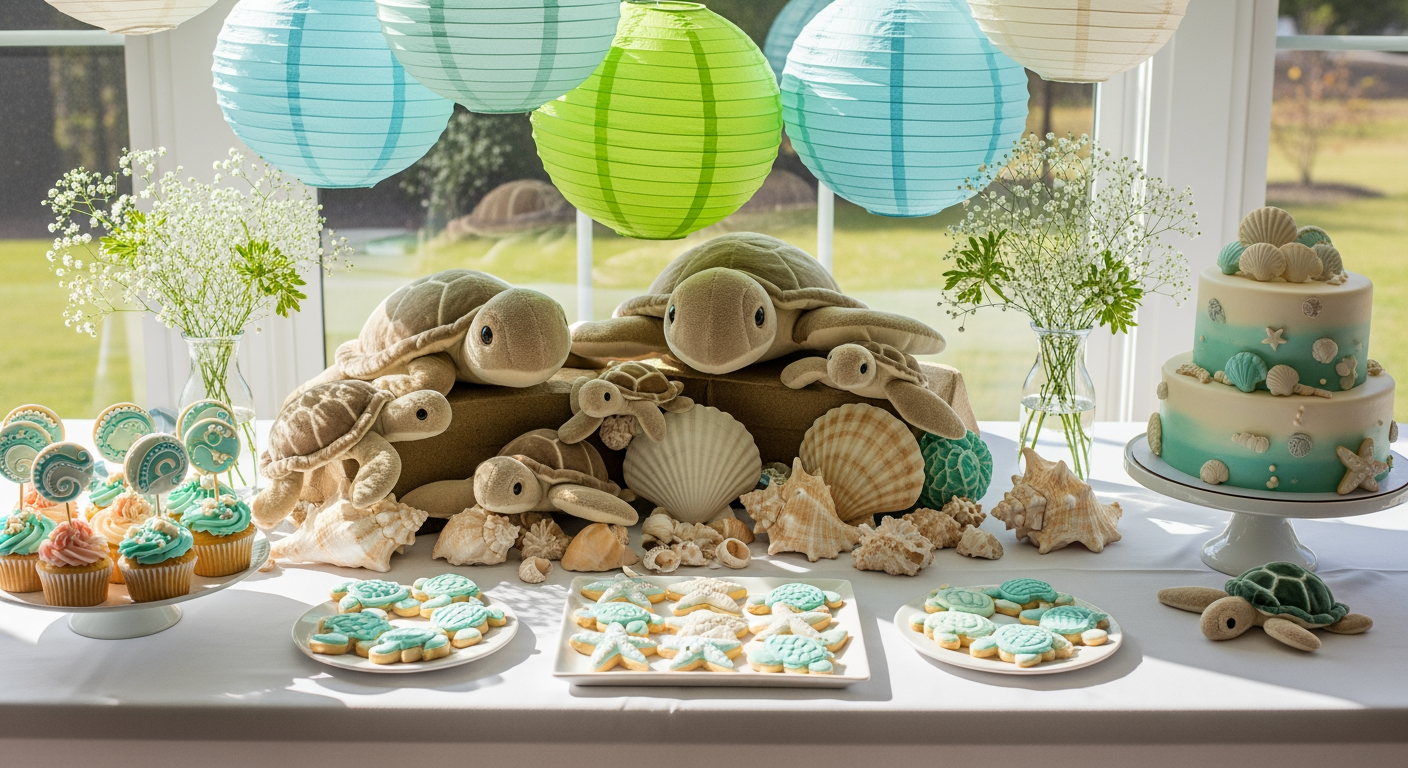
Sea Turtle Baby Shower
The best mom-and-babies turtle plush sets, plus theme and favor ideas for an ocean-themed shower.
Read the guide →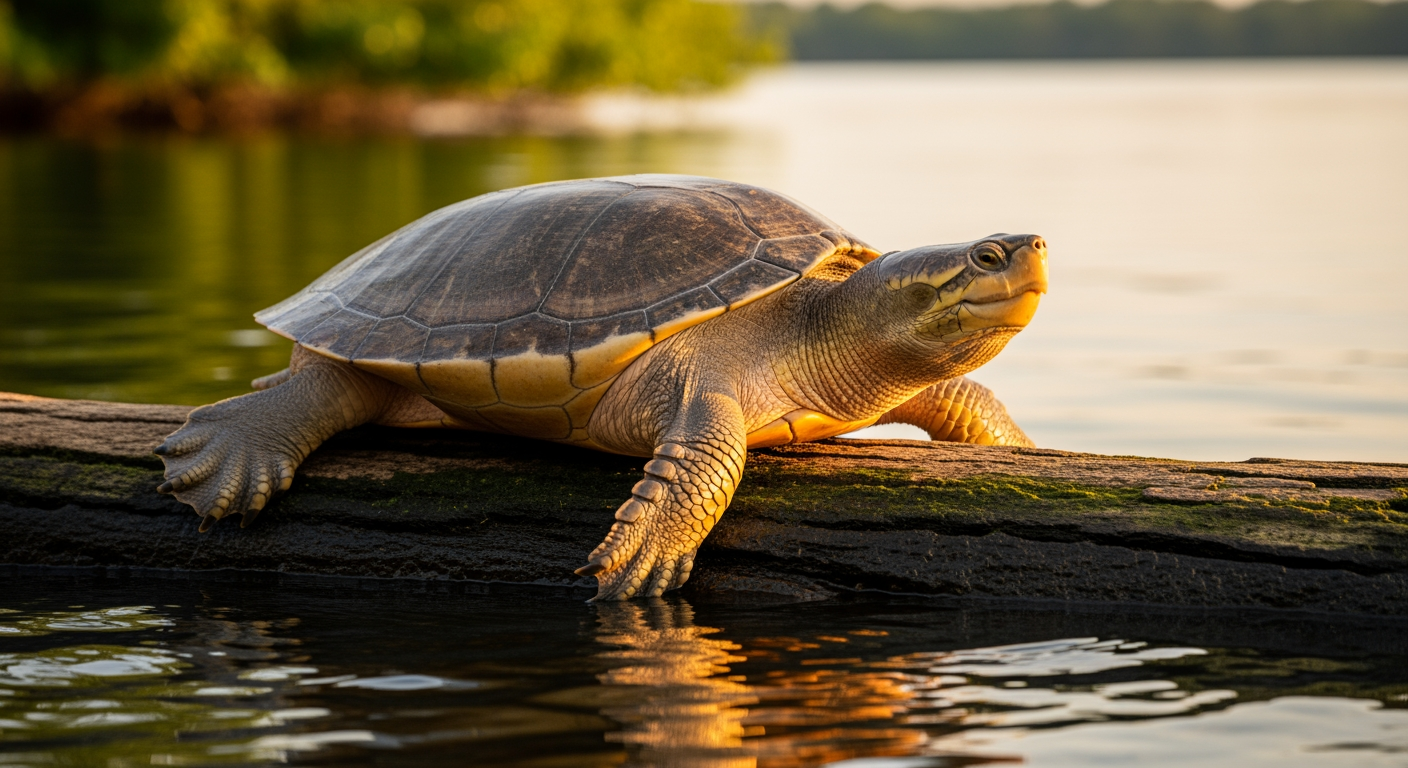 Classification
Is a Turtle a Reptile or an Amphibian?
The clear, simple answer — plus how turtles are classified and why people get it wrong.
Read the guide →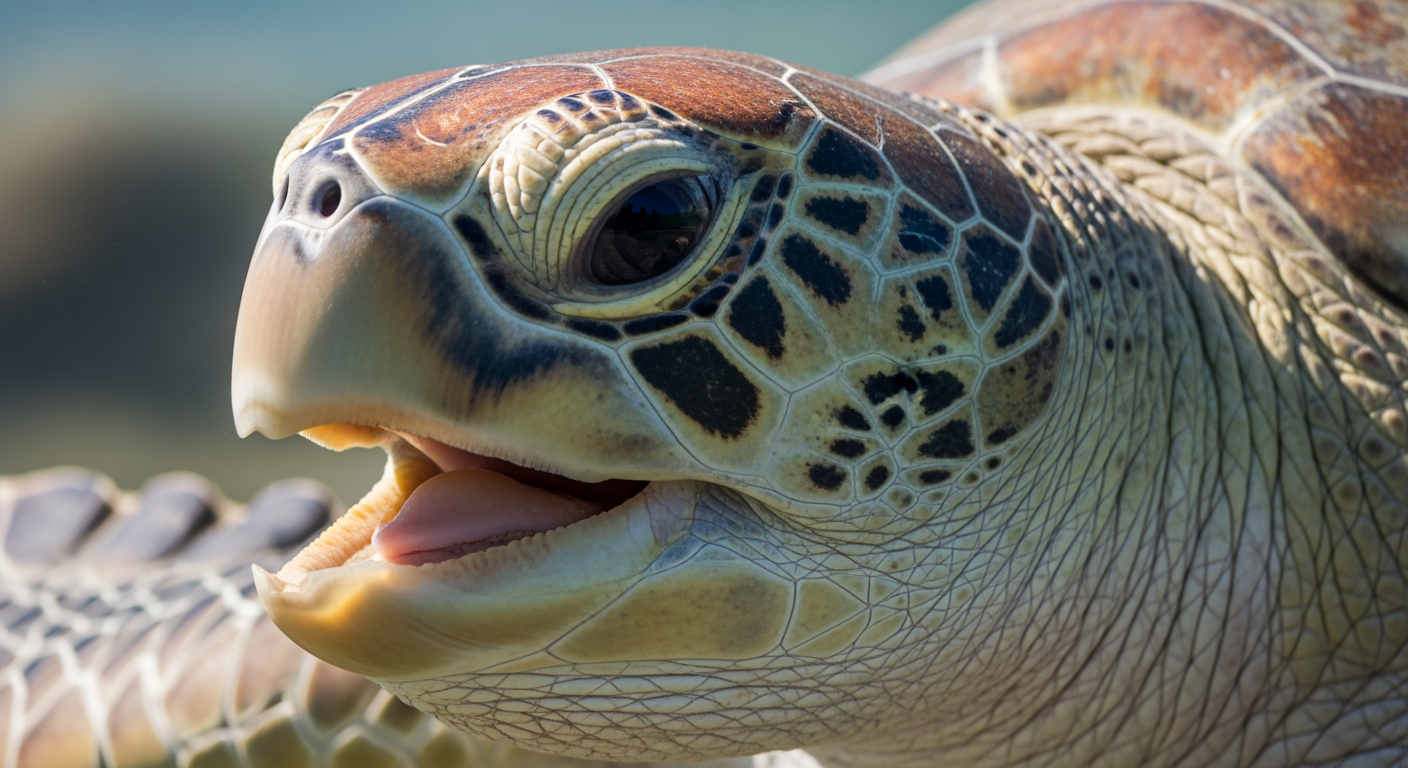 Anatomy
Do Turtles Have Teeth?
What’s really inside a turtle’s mouth, and how they eat without a single tooth.
Read the guide →What Eats Turtles?
The predators that hunt turtles at every life stage, from egg to adult.
Coming soonWhat Does a Sea Turtle Symbolize?
The meaning and symbolism behind one of the ocean’s most beloved animals.
Coming soonHow Long Do Turtles Live?
Turtle lifespans across species — and how you can tell a turtle’s age.
Coming soonFamous Turtles
The real and fictional turtles that nearly everyone knows by name.
Coming soon